Black History Month: 7 Books on the Impact of Black Music
Black History Month is more than a commemorative month: it is a reminder that Black history is not on the margins but at the center of modern culture. Many of the musical forms celebrated globally today were created by Black communities under conditions of colonialism, racism, and economic exclusion.
Black music has never been just entertainment. It has been archive, resistance, theory, survival strategy, and a blueprint for the future all at once. From the blues singers who articulated early feminist perspectives, to Afrofuturism as sonic science fiction, to dancehall, rap, and experimental electronic music as responses to urban segregation and financialized capitalism: Black musicians have been and continue to be pioneers of aesthetic innovation.
What is often marketed as a “trend” or “subculture” emerged from radical creativity under structural inequality. Black music has not only shaped genres: it has created new ways of thinking about time, space, identity, and technology. That is why it deserves not only consumption but recognition, context, and appreciation of its origins.
To better understand and honor this impact, we recommend the following books:
- Teklife, Ghettoville, Eski: The Sonic Ecologies of Black Music in the Early 21st Century — Dhanveer Singh Brar
- More Brilliant Than the Sun: Adventures in Sonic Fiction — Kodwo Eshun
- Blues Legacies and Black Feminism: Gertrude “Ma” Rainey, Bessie Smith, and Billie Holiday — Angela Davis
- Afrofuturism: The World of Black Sci‑Fi and Fantasy Culture — Ytasha L. Womack
- Pink Noises: Women on Electronic Music and Sound — Tara Rodgers
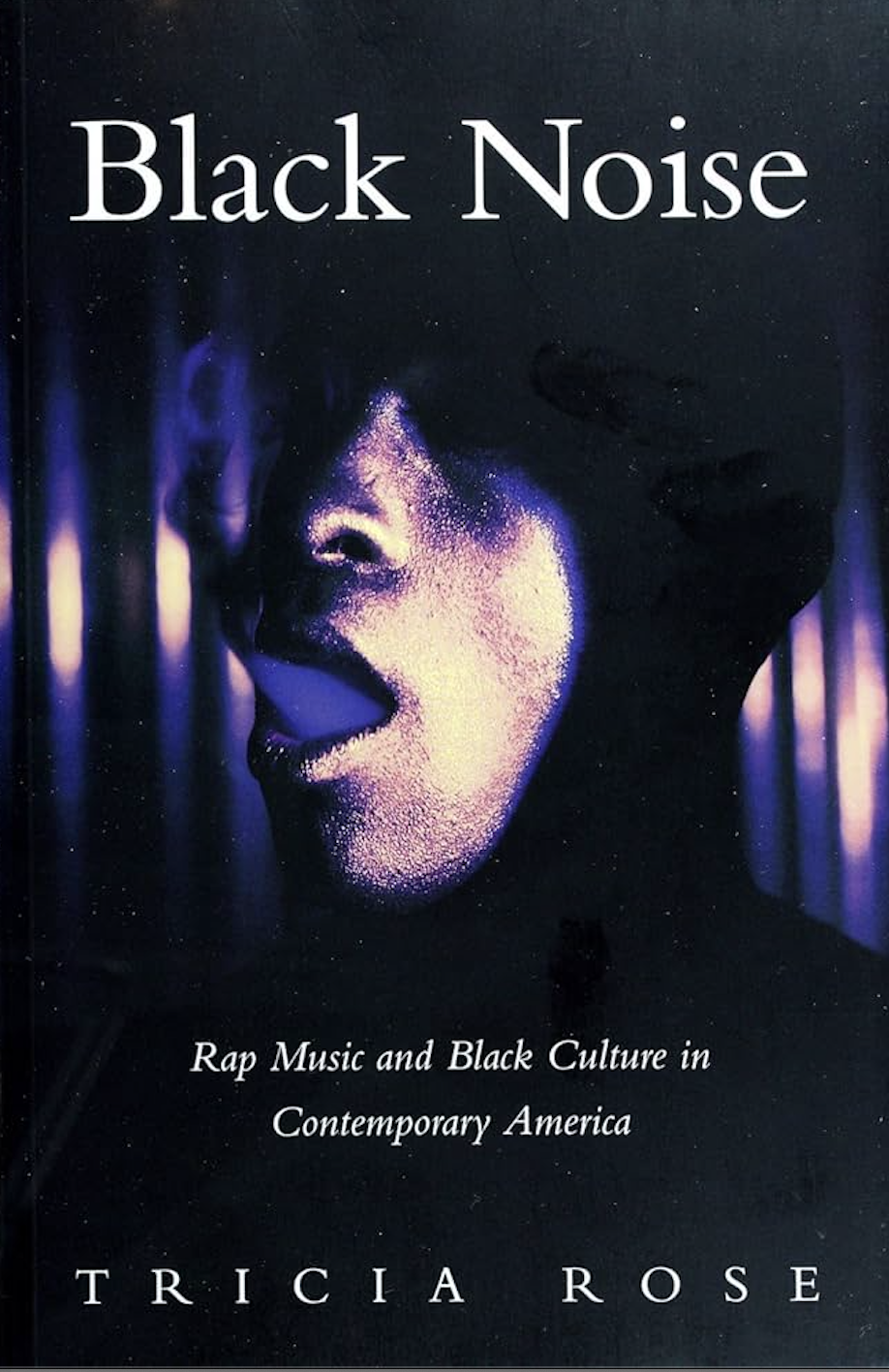
- Black Noise: Rap Music and Black Culture in Contemporary America — Tricia Rose
- DanceHall: From Slave Ship to Ghetto (African and Diasporic Cultural Studies) — Sonjah Stanley Niaah